
FJD Trion / STORIES & APPLICATIONS
Resolve scaffold conflicts during design
Onsite Scanning Solutions needs to understand access, tie positions and site geometry before scaffold installation.
- Brand
- FJD Trion
- Article type
- Customer story
- Setting
- Sydney, Australia
- Equipment
- FJD Trion S2
- Source date
- 2026-07-23
Move site questions into the design review
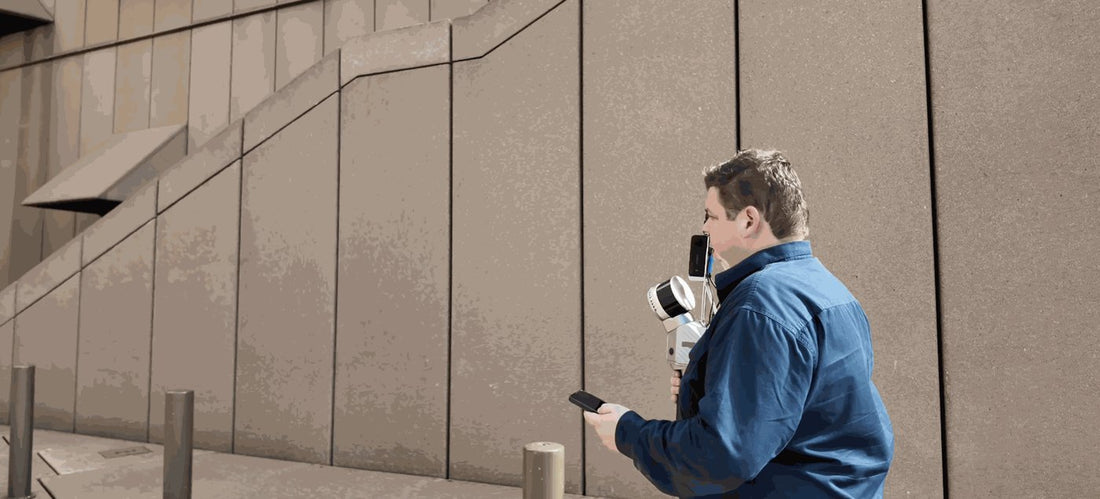
FJD Trion’s customer story follows Onsite Scanning Solutions in Sydney. The team uses 3D capture to examine existing conditions while scaffold arrangements are still being modeled. Relevant questions include access, base conditions, tie locations, heights and the relationship to surrounding structures.
A common visual reference for the team
The captured environment can be revisited in the office and considered alongside the proposed scaffold. The account describes using imagery and scan data to help clients and other stakeholders understand the relationship between the design and the site. The company also supports customers developing their own capture capability.
What the workflow contributes
The case’s central benefit is earlier communication about existing conditions. A scan supports the design discussion; it does not replace the engineering responsibility for approving a scaffold design.
Define the review before the survey
DRT recommends asking the designer which site features must be captured and what detail is needed to evaluate them. Make access restrictions and hidden areas explicit. Test a representative output in the modeling application and agree how questions will be marked and returned to the field team. Keep the capture date visible so reviewers know which site condition they are seeing. This preparation makes a scan a usable input to a design decision, with a clear process for resolving anything the data cannot establish.