
FJD Trion / STORIES & APPLICATIONS
Preserving a village through a virtual experience
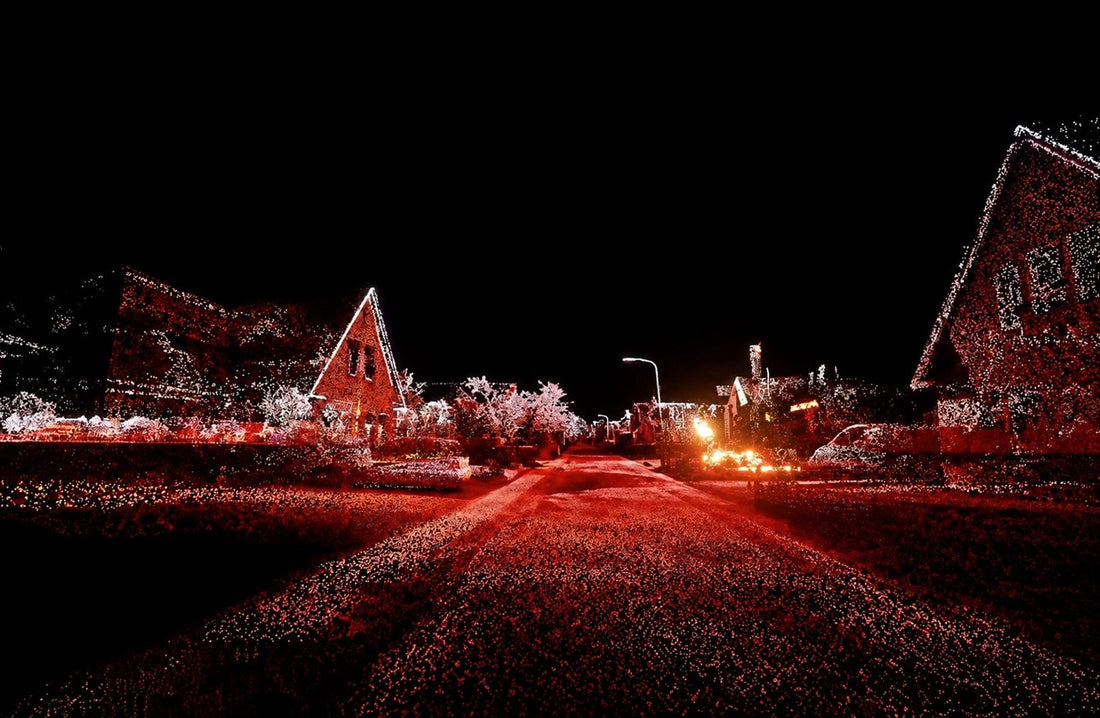
Artist Gus Drake needed to record homes before earthquake-related demolition changed the village.
- Brand
- FJD Trion
- Article type
- Customer story
- Setting
- Overschild, Netherlands
- Equipment
- FJD Trion S2 + Trion Model
- Source date
- 2026-07-28
Recording spaces before they disappeared
FJD Trion’s story follows artist Gus Drake in Overschild, Netherlands, where earthquake-related damage led to homes being condemned for demolition. He used a Trion S2 to record buildings before they changed permanently. The resulting spatial records became material for Corridors of Memory, a virtual-reality artwork for the Groninger Museum.
Capture was the beginning of the production process
Drake processed the point clouds in Trion Model, reducing datasets and combining scans before taking them into his creative pipeline. Documentary research, sound and interpretation remained part of the artwork. The scans preserved spatial evidence; they were not, by themselves, the finished museum experience.
A useful distinction for preservation projects
The case shows how one capture can become a resource for later interpretation. A digital record can be revisited after the physical opportunity to document a room has gone.
Design the archive as carefully as the capture
DRT recommends agreeing on access, permissions and the intended future uses before the visit. Keep location names, dates and the relationship between datasets clear. Preserve raw records as well as manageable working copies, and test how the receiving creative or archival team will open them. If the final output is an immersive experience, include that production stage in the schedule. A successful capture plan considers both what must be preserved now and who needs to use it later.