
Bambu Lab / STORIES & APPLICATIONS
From classroom ideas to physical prototypes
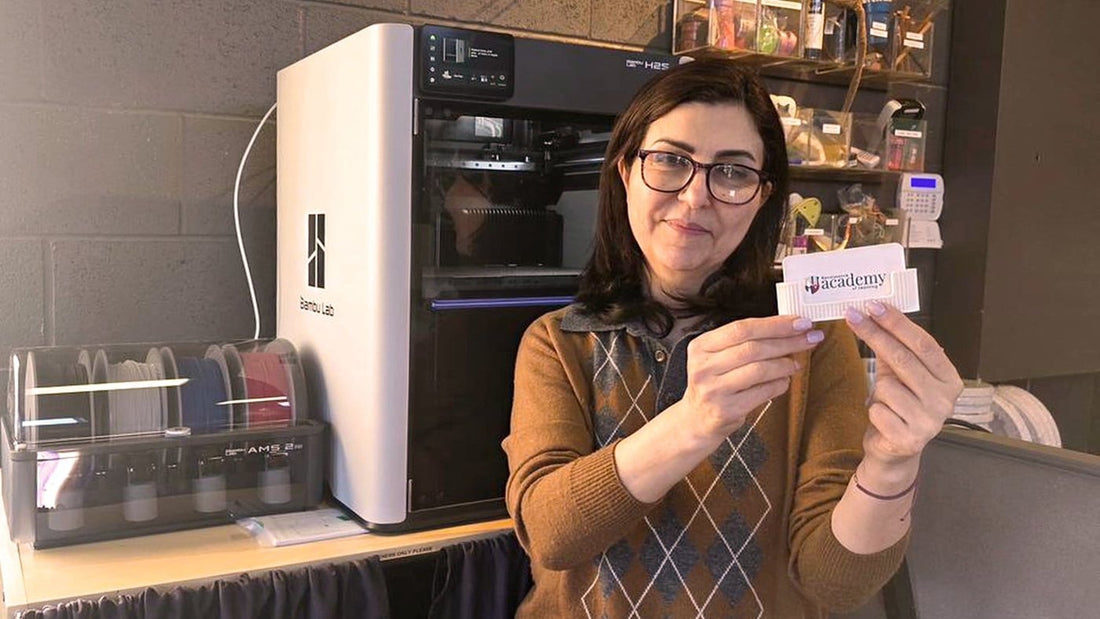
Renaissance Academy wanted to bring engineering and product design into arts-based learning.
- Brand
- Bambu Lab
- Article type
- Customer story
- Setting
- Richmond
- Equipment
- Bambu Lab H2S
- Source date
- 2026-11-02
Bringing fabrication into an arts-centered school
Bambu Lab’s story follows Renaissance Academy of Learning in Richmond. The academy wanted engineering and product design to become practical classroom activities. Its first H2S allowed learners to develop and produce objects on site, reducing reliance on outside fabrication.
The first program and the learning curve
The academy’s 3D Maker’s Lab summer camp filled soon after registration opened. The account also describes early feeding, Z-axis and print-quality problems. Staff worked on troubleshooting and repeatable classroom routines while planning further STEAM activities, classroom tools and creative projects.
A program grows around the equipment
The useful result is a setting where a student can turn an idea into an object and learn from the revision. The story distinguishes the launched camp from additional programs still under development.
Plan the classroom workflow
DRT recommends choosing one age-appropriate project with an observable learning goal. Decide who prepares the file, who operates the printer and how finished parts are reviewed. Include a staff practice session and a way to record failed prints and their corrections. Plan the queue so students can see a completed result within the lesson sequence. A printer becomes easier to integrate when the project, supervision, consumables and troubleshooting routine are prepared together. The first successful course can then serve as the template for the next group.