
Anker SOLIX / STORIES & APPLICATIONS
Building a plan for longer outages
Scott P. wanted a broader backup plan after frequent outages and food losses.
- Brand
- Anker SOLIX
- Article type
- Owner story
- Setting
- U.S. East Coast
- Equipment
- Anker SOLIX E10
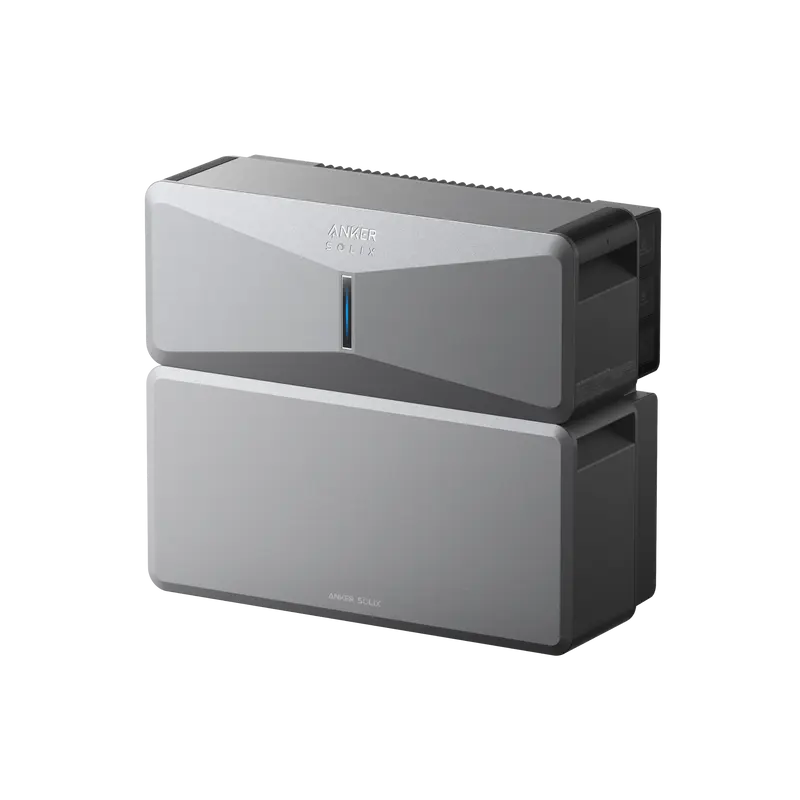
Cover: Equipment illustration · E10.
Why the owner expanded the plan
Anker SOLIX’s E10 page shares Scott P.’s account of preparing for repeated East Coast outages and previous food losses. The owner describes moving from C1000 to an E10 setup and including solar charging in the plan for longer interruptions.
A short account, not a universal runtime claim
The testimonial communicates the owner’s priorities and equipment direction. It does not give enough measured load and installation information to predict another household’s duration. The equipment image accompanying this DRT article is an illustration of the system, not a photograph of the owner’s installation.
Plan the first hours and the following days
DRT recommends making two lists: what must keep operating immediately, and what can run occasionally if the interruption continues. Decide which household tasks can be deferred and which require a planned energy allowance. Record the intended replenishment method and what would happen if that source were unavailable. The objective is a plan the household can follow rather than a single optimistic runtime number.
Review the installed configuration
Discuss the selected battery capacity, compatible charging equipment and household connection with the responsible installer. Ask for an explanation of what is supported, how priorities are managed and how normal charging resumes. Keep the agreed load list with the system documentation. A carefully scoped plan makes it easier to compare packages and to expand later, because the reason for each component is already clear.